

switching power transformer
A switching power transformer is a key component in modern power conversion systems. It is mainly used in switching power supplies to transfer electrical energy between circuits while changing voltage levels and providing electrical isolation. Compared with traditional transformers used at line frequency, a switching power transformer operates at much higher frequencies, usually from tens of kilohertz to several megahertz. This high-frequency operation allows the transformer to be smaller, lighter, and more efficient, which makes it ideal for compact electronic equipment.The basic function of a switching power transformer is to work with a switching circuit, such as a transistor or MOSFET, that rapidly turns the input current on and off. The alternating pulses generated by the switch are applied to the primary winding of the transformer. Through electromagnetic induction, energy is transferred to the secondary winding, where it is converted into the required output voltage. Depending on the design, the transformer can step up, step down, or provide multiple output voltages.A major advantage of the switching power transformer is its ability to deliver high efficiency. Because it operates in a high-frequency environment, the core size can be reduced without sacrificing performance. Smaller cores mean less material use and lower overall weight. In addition, high-frequency design helps improve power density, which is very important in applications where space is limited. These transformers are widely used in computers, televisions, communication devices, industrial controls, medical equipment, and consumer electronics.The materials used in a switching power transformer are carefully selected to reduce losses and maintain stable performance. Ferrite cores are commonly used because they have low eddy current loss at high frequencies. The windings are usually made of copper wire with excellent conductivity. In some cases, litz wire or special winding structures are used to reduce skin effect and proximity effect, which can become significant at higher frequencies. Proper insulation and thermal management are also important to ensure safety and long service life.Designing a switching power transformer requires attention to many factors, including input voltage, output voltage, operating frequency, power rating, and thermal conditions. Engineers must also consider leakage inductance, electromagnetic interference, and saturation characteristics. A well-designed transformer can improve the overall stability, reliability, and efficiency of the power supply.In summary, a switching power transformer is an essential device for modern electronic power systems. Its high-frequency operation, compact size, high efficiency, and reliable isolation make it a preferred choice in many applications. As electronic devices continue to become smaller and more powerful, the demand for advanced switching power transformers will continue to grow.
Products
Category:
-
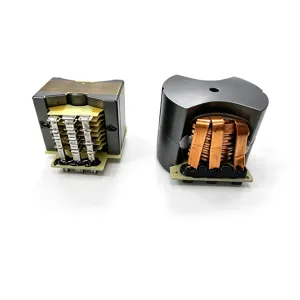
New Energy High Frequency Transformer for Renewable Energy Systems
Category: High Frequency TransformersBrowse number: 139Number:Release time: 2026-05-28 10:43:04As global industries accelerate toward renewable energy and intelligent power management, the demand for high-performance magnetic components continues to grow rapidly. Dongguan Zhengmao Electronics Co., Ltd. specializes in manufacturing New Energy High Frequency Transformers designed for high-efficiency power conversion systems in renewable energy and industrial electronic applications. -
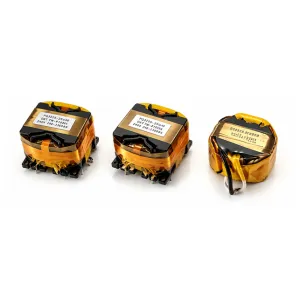
High Frequency Transformer for Efficient Power Conversion
Category: High Frequency TransformersBrowse number: 154Number:Release time: 2026-07-27 14:59:47High frequency transformer is a key magnetic component designed for efficient energy conversion in modern electronic power systems. Featuring compact structure, low power loss, stable electrical performance, and flexible customization options, it is widely used in switching power supplies, renewable energy equipment, EV charging systems, industrial control equipment, and communication devices.
News
Category:
No search results found!
Case
Category:
No search results found!
Video
Category:
No search results found!
Download
Category:
No search results found!
Job
Category:
No search results found!
Featured Products
-
NEWS
New Energy High Frequency Transformer for Renewable Energy Systems
Learn more






 Phone
Phone